
The Foundation of a Durable Tank
Properly installing a water tank is just as important as the quality of the tank itself. A poorly prepared base is the number one cause of cracks and structural failure in plastic tanks in Kenya. At Restore Services, we've seen hundreds of tanks damaged simply because they weren't sitting on a flat, solid surface.
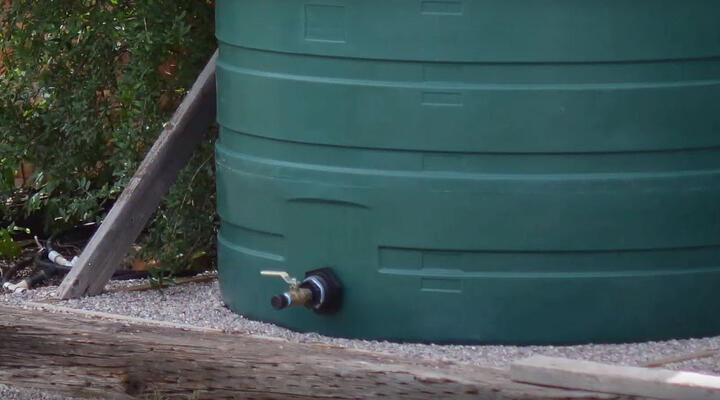
1. Ensure the Surface is Level
A water tank must sit on a perfectly level surface. When a tank is tilted, the weight of the water (which is 1kg per liter!) puts uneven pressure on the walls and the base, leading to stress fractures and eventually, major leaks.
2. Use a Concrete Plinth
A reinforced concrete slab (at least 10cm thick) is the best foundation. It provides a stable, non-shifting surface that can handle the massive weight of a full tank (e.g., a 10,000L tank weighs 10 metric tons).
3. Clear All Debris
Before placing the tank, ensure the base is completely free of stones, sticks, or any sharp objects. Even a small pebble can create a concentrated pressure point that will eventually pierce through the plastic bottom.
4. Base Must Be Larger Than the Tank
The base should extend at least 15cm beyond the diameter of the tank on all sides. This ensures that the entire bottom of the tank is fully supported and prevents the edges from "overhanging" and placing stress on the side walls.
5. Avoid Sand or Soil Bases
While sand might seem like a good cushion, it will wash away or shift over time with rain and ground movement. This creates hollow spots under the tank, leading to sagging and cracking.
6. Check for Proper Drainage
Ensure that the area around the base has good drainage. You don't want water pooling around the foundation, as this can erode the soil underneath the concrete slab over many years.
Need Help?
If your tank is already showing signs of stress or has started to crack due to a poor base, don't wait for it to burst. Contact Restore Services for professional plastic welding and expert advice on stabilization.